

Hurry Up and Wait
Living with Uncertainty in Pregnancy, Disability, and Life

I am writing this in the days surrounding the due date of my second baby. This is an extraordinarily antsy phase of pregnancy. I do not want to plan too much because the baby could arrive at any moment. I also desperately crave distraction so I do not interpret every pelvic twinge, every wave of nausea, every strong fetal movement as a signal that labor has begun.
It is a strange psychological space: hurry up and wait. I am so very ready and nonetheless unprepared. The uncertainty of when labor will begin, how it will unfold, whether it will resemble my first experience at all, weighs on me in a way that is both mundane and existential. Uncertainty is everywhere when you are forty weeks pregnant.
The phrase tolerance of uncertainty was introduced to me early in graduate school when I was studying transdiagnostic mechanisms in anxiety. In plain language, some cognitive tendencies increase vulnerability across forms of distress. Intolerance of uncertainty is one of them. It refers to difficulty sitting with the discomfort of not knowing—not knowing what will happen, when, how bad it will be, or how you will cope.
Research is consistent. Higher intolerance of uncertainty is strongly associated with worry and anxiety, especially generalized anxiety. Individuals who struggle with uncertainty engage in persistent worrying about possible future threats, increased reassurance seeking, or excessive planning to reduce perceived uncertainty. When outcomes feel ambiguous, the brain tries to close the loop. It predicts. It scans. It generates scenarios. It’s like Inside Out 2, when Anxiety takes control of Imagination Land to rehearse every potential disaster. The mind tells itself that if it can just think hard enough or prepare thoroughly enough, it might prevent the worst-case scenario, or at least gain some sense of control, comfort, and readiness for whatever might come. The effort is not only about avoiding disaster; it is also about creating certainty that we can handle the unknown.

I am not immune to this tendency. Even though I have taught this material and guided patients through exercises designed to increase their tolerance for uncertainty, I have Googled early labor signs more times than I care to admit. I have poured over the statistics on when women tend to have babies, comparing first versus second children and examining what factors influence timing. I looked into the probability of labor starting at night versus during the day (verdict: nighttime labor is more common for a variety of physiological and circadian reasons). Intellectually, I know this information cannot grant me certainty. And yet, my brain clings anyway, turning pregnancy into a nerdy obsession with probability; a reminder that even knowing better cannot outwit the emotional rollercoaster of impending labor.
Intolerance of uncertainty is not a flaw of fragile people. It is a profoundly human tendency. We are meaning-making creatures. We want explanations, cause and effect, and reassurance that we can secure joy, success, safety, and ease. The brain is built to predict because prediction increases survival and helps us anticipate both risk and reward. Pattern recognition keeps us alive, but it also makes us crave reassurance that good things will happen, just as we crave certainty that bad things will not. This desire for predictable outcomes is part of why the just-world belief feels so compelling: if we can believe that good things happen to good people and bad things to bad people, we create a sense of order and fairness in a world that is otherwise random, uncertain, and sometimes cruel. This belief also underlies a moral model of disability, the persistent idea that if we are “good” or careful, we can avoid illness or impairment. Uncertainty, though, is unavoidable. It is a condition of being alive.
This becomes especially clear in chronic illness. In multiple sclerosis, for example, research consistently shows that intolerance of uncertainty is strongly associated with anxiety and depressive symptoms. It is often not disease severity alone that predicts who struggles; it is the unpredictability, the waiting for the next relapse, the ambiguity of a new symptom, the MRI that may or may not show progression. Those who have more intolerance of uncertainty report higher anxiety even when controlling for disability level. It is the not knowing and the difficulty tolerating not knowing that differentiates who experiences more distress.
This resonates with me as someone living with progressive, degenerative disability where the exact end point is unknown. It is not simply impairment that destabilizes people; it is unpredictability. The ground can shift without warning; today’s baseline may not be tomorrow’s. Even beyond the broader trajectory, small fluctuations create uncertainty: for me, this can mean a day with especially bad vision, triggered by fatigue, overuse, or seemingly nothing at all, or an eye-strain migraine that appears despite careful pacing. Everyday environments add another layer of unpredictability, whether it is dim lighting or an unexpectedly uneven sidewalk (making the metaphor of shifting ground feel a little too literal). The body, and the world around it, are both familiar and constantly changing, and the future requires ongoing negotiation rather than a fixed plan.
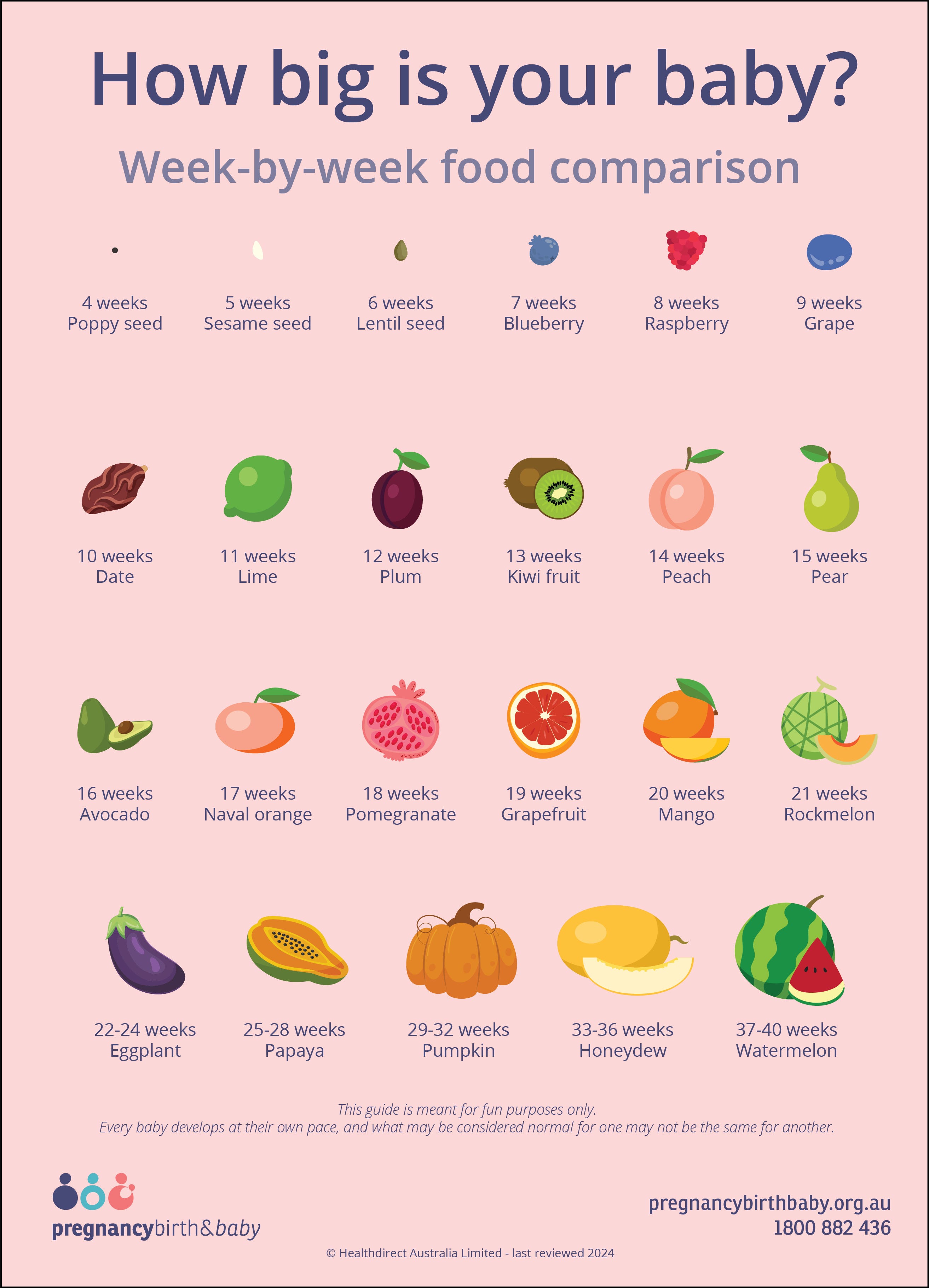
Pregnancy, in its own way, is a prolonged exposure to uncertainty. We pretend it is predictable because there is a due date. There are apps. Week-by-week fruit comparisons. Your baby is a blueberry. Now a mango. But the uncertainty starts long before the fruit. When will it happen? Will it happen? Is this the month? Who will this person become? What chromosomes? What sex? What temperament? What body? What needs?
Many of us with the privilege to do so build registries and birth plans as if preparation can dictate probability. We track ovulation windows and fetal growth meticulously. We schedule scans and appointments. We refresh patient portals for updated test results. We try to convince ourselves enough data might guarantee desired outcomes.
And then there is the baby industrial complex, which espouses that the right sound machine, the right sleep sack, or a multifunctional stroller might deliver rest, rhythm, and ease. I am definitely susceptible to the seduction of beautifully engineered baby gear, and I recognize my privilege in having the time, energy, and money to research and purchase it. Some of it genuinely helps. Much of it lightens the physical burdens parents carry. But no sound machine guarantees sleep. No high chair prevents a toddler from launching rice across the room. No stroller makes interrupted sleep or an unexpected rainfall any less unpredictable. The promise beneath the marketing is not just convenience; it is control. And even with the best equipment money can buy, parenthood remains what it has always been: uncertain and uncontrollable.
We live in a culture that promises that with enough information, optimization, and purchasing power, we can minimize risk. When I talk about the illnesses my mother has faced, people often respond with causal explanations. She smoked. She drank. She didn’t exercise enough and delayed medical care. These behaviors matter; they can influence likely outcomes. But beneath the empirical accuracy is a desperate need for reassurance. If illness is attributable to behavior, perhaps it is preventable. If it is preventable, perhaps I am safe. Even when behavior helps, it cannot eliminate uncertainty entirely. Life, as always, remains unpredictable.
When people learn about my disability, there is often a similar effort to locate the cause. They ask about early signs or family history, hoping for a pattern or a clue they can understand. Since my disability is genetic, I often sense relief in others. Genetics feel containable. When I share that there were no early signs and no one in my family before me had this condition, the dismay is palpable. When disability is acquired through illness or injury, sympathy is often accompanied by subtle distancing. That would not happen to me. I make different choices. I am different. I do not read these reactions as intentionally malicious; they are rooted in ableism and a cultural fear of disability. They are ways of creating distance from what we cannot easily control or accept. At their core, they are attempts to manage uncertainty.
The literature in chronic illness suggests that the effort to eliminate uncertainty can become its own source of suffering: hypervigilance to bodily sensations, catastrophic interpretations of minor changes, reassurance seeking that never actually reassures. Interventions that specifically target intolerance of uncertainty, including cognitive behavioral and acceptance-based approaches, reduce anxiety even when the illness itself remains unpredictable. The disease itself does not become controllable. The person with the disease becomes better able to manage the uncontrollability. To use an analogy from one of my internship supervisors, we strive to become kelp in the ocean, rooted enough to stay grounded yet flexible enough to bend with the waves. Too rigid, and the currents might unroot you. Too untethered, and the waves carry you away. Interventions teach a similar balance: steadiness in the face of uncertainty paired with the ability to move with life’s inevitable fluctuations.

Clinically, this distinction matters. If anxiety were solely about threat magnitude, the intervention would be reassurance or elimination of risk. But if anxiety is about our relationship to uncertainty, the work has a different target.
I am reminded of a man I worked with in his fifties. He had been exceptionally healthy, the kind of person who biked century races on weekends. Then, unexpectedly and with no warning, he required a quadruple bypass. The threat was real. His body had betrayed him. After surgery, his heart became both a miracle and a menace. Every spike in heart rate triggered panic; every dip felt ominous. He monitored constantly, with his Apple Watch, blood pressure cuff, and detailed symptom tracking. He presented to the emergency room multiple times, terrified that he was missing the next catastrophic event. Objectively, nothing was wrong. The problem was not his heart. It was his fear of every bodily sensation. His anxiety spiraled, and his nervous system learned to fear fear itself.
The monitoring did not soothe him. It heightened his awareness. The more data he collected, the more variation he noticed. The more variation he noticed, the more danger he perceived. Paying closer attention made his symptoms worse. He tried to control the fluctuations by tracking hydration, pacing his walks, and practicing deep breathing. Anything to prevent panic. But in the hypervigilance and attempts to control the uncontrollable, his anxiety escalated. The solution was counterintuitive: paying less attention. The problem was not ignorance. It was intolerance of not knowing.
Cognitive behavioral treatments target this directly through exposure to uncertainty; not exposure to danger, but to not knowing. For him, that meant gradually reducing checking behaviors, leaving the watch off for longer intervals, allowing his heart rate to rise during exercise without immediate interpretation, and resisting the urge to seek reassurance for every physical sensation. The goal was not recklessness. It was to build tolerance. Through repetition, his nervous system learned that uncertainty is uncomfortable but survivable.
Acceptance and commitment therapy takes a complementary approach. Rather than trying to reduce uncertainty, it invites people to clarify their values and act in alignment with them even when outcomes are unclear. He could not guarantee that another cardiac event would never occur. He could choose whether to structure his days around constant monitoring or around living. He could skip exercise, avoiding the activity that had long been a source of joy, or he could return to doctor-approved long rides, accepting that they might trigger unsettling sensations or changes in his heart rate. One of the most powerful interventions for him was distraction: engaging in both values-aligned activities, like dedicating himself to meaningful work, and small, playful ones, like Wordle, Connections, or crossword puzzles. These activities allowed him to inhabit life even while uncertainty persisted. The choice was not about eliminating risk. It was about deciding what kind of life he wanted to lead despite uncertainty.
There is tremendous humility in this work. As clinicians, we are not helping people become certain. We are helping them become more flexible. We are not promising safety. We are strengthening capacity.
Capitalism does not encourage this stance. It profits from our discomfort with ambiguity. It tells us that if we buy the right product, follow the right protocol, or download the right app, we can protect ourselves from aging, illness, and unpredictability. There is always something to purchase that promises to reduce risk: a wearable device to track your sleep, a supplement to optimize your immune system, a beverage that will allegedly induce labor.

I have heard so many induction tricks: the Starbucks labor drink, spicy food, long walks. I am a huge fan of spicy food, especially during this pregnancy, and generally I’m all for a long walk. There is some limited evidence that certain methods may help, but a viral tea concoction promoted as an obstetric intervention feels more like marketing than medicine. Beneath the humorous absurdity though is something real: the desire to do something, to move the process along. Waiting exposes just how little control we actually have.
Attempting to eliminate uncertainty often backfires. The more we try to control, the more vigilant we become. The more vigilant we become, the more potential threats we perceive. It becomes a loop.
Radical acceptance of uncertainty is not passive resignation. It is a recognition that uncertainty is not a problem to be solved. When I stop trying to predict exactly when labor will begin and instead orient toward the certainty that it will begin at some point, something softens. I still feel uncomfortable. My back and pelvis still ache. I still analyze the occasional contraction more than is probably necessary. But the frantic edge dulls slightly.
In chronic illness communities, I have seen this shift as well. When people move from asking, How do I prevent every possible flare? to asking, How do I live well even if flares occur? the emotional tone changes. Not because the illness disappears, but because the relationship to uncertainty changes.
Life guarantees challenge. It does not guarantee the timing, the form, or the intensity. If we accept that difficulty is part of the human condition, even when its specifics are unclear, we spend less energy bracing against inevitability and more energy participating in the present.
So here I am. Forty weeks pregnant. Exhausted. Reflux-ridden. Oscillating between ambitious nesting impulses and too much physical discomfort to engage. The baby will come. Tonight? Maybe. Maybe not. And no amount of Googling, hot sauce, or specialty labor-inducing drinks will transform uncertainty into certainty.
What I can practice is waiting. Not because I enjoy it; I absolutely do not. I practice tolerating the wait because uncertainty is not a pathology. It shapes my days now. And as I navigate this, I know too that this is the reality of all our days, in ways big and small. All we can do is try, albeit imperfectly, to live fully with what we cannot predict.